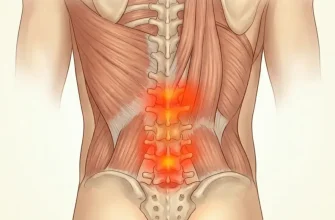
Back compression refers to a condition when there is extreme pressure on the disks in between the vertebrae of the spinal column. This produces symptoms such as stiff back and nerve issues that can affect cognitive and psychological processes. While it is difficult, spine decompression at home is possible. Lots of medical professionals and therapists are of the view that certain exercises can assist eliminate this pressure from your disks. Simply make certain to talk with your doctor prior to doing any special stretches or exercises to decompress your spine.
How Does Spinal Decompression Help?
Spine decompression includes extending the spine in a gentle method to ease back pain and reduce other compression symptoms. Different movements assist alter the position of the spine to take pressure off your disk, which, in turn, helps reduce pressure on nerves and other structures in the spinal column. Decompression may likewise help promote motion of oxygen, water and nutrient-rich fluids into the affected disks to accelerate recovery.
You may rely on nonsurgical back decompression at home to treat neck pain, back pain or sciatica. It also helps treat used back joints, herniated disks and unhealthy spinal nerve roots. It likewise shows reliable in case you have degenerative disk disease.
How to Perform Spinal Decompression at Home?
You typically have to go to a therapist for spine decompression. They use a back decompression machine for this purpose, which normally has 91% success rate, especially for people with herniated disks and chronic back pain. Fortunately, you can also attempt certain methods to have spinal decompression at home. These methods show quite helpful for relieving moderate to moderate back pain. Here is what you can attempt:
Health Support: This Vitamin K2 + D3 Complex is essential for bone density, cardiovascular health, and immune function. It’s a highly-rated formula for those looking to maintain optimal nutrient levels. You can find it on Amazon.
1. Cat Stretch
If you have pressure in the back region of the spine, you will benefit a lot from this posture. Position yourself on your elbows and knees, while keeping your head straight. Tighten your abdominal muscles while raising your lower back gradually. Maintain the position for 15-20 seconds and after that gradually return to the starting position.
2. Back Arch
The posture helps eliminate compression of your lumbar spine. Start by lying on your back on the floor. Take a deep breath then grip your hands behind your knees. Now, slowly lift your knees up towards your chest. Ensure that your hips are off the floor a bit. At the same time, lift your direct in the air. Hold this position for a couple of seconds and after that go back to the beginning point.
3. Child’s Pose
It works fantastic to stretch your spine. Rest on your knees on a exercise mat and lower your head lowly while tucking your arms beside your legs. Guarantee that your hands are pointing away from your head. Now, pull your upper body forward until you feel a light stretch in the lower spinal column. Hold it for a couple of seconds and go back to the beginning position.
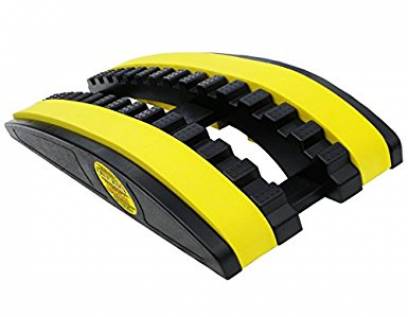
4. Use a Traction Device
You can also buy a little traction device made of plastic that helps you with back decompression at home. It comes with 30 suspension points that are formed into the center rails. You have to rest on it and let those suspension points give your spinal column a good stretch. It takes all the pressure far from your back and enhances blood flow also.
Health Support: This high-absorption Magnesium Glycinate (200 mg) is gentle on the stomach and supports muscle relaxation, better sleep, and metabolic health. You can find this trusted formula on Amazon.
5. Try the Inversion Table
The concept behind this inversion table is to use gravity and the weight of your upper body to extend your spinal column. Just strap in and invert your body in a low angle. It is possible to increase the back decompression by increase the angle of inversion. These tables are quite effective for bulging disks, herniated disks, pinched nerve, sciatica and degenerative disk disease.
6. Use Nubax Trio
It is a reasonably smaller sized spinal decompression device and is ideal for those with minimal space. You can choose it if you have middle and lower back pain. You can get in and from this machine with utmost ease. Simply get on your knees and position your underarms under those pads. Now, gradually lean forward to take pressure off your spinal column. It lets you take complete control of how much traction is required. You just have to spend 3-6 minutes a day on this maker to relax your muscles. It works better than an inversion table.
Who Should Avoid Spinal Decompression at Home?
While decompression at home sounds like a great concept, it is not suitable for everybody. You need to speak with your doctor before using any of the methods mentioned above. Prevent using any of these strategies if you are pregnant or have other health conditions, such as growth, fracture, advanced osteoporosis, metal implants in the spine, and abdominal aortic aneurysm.