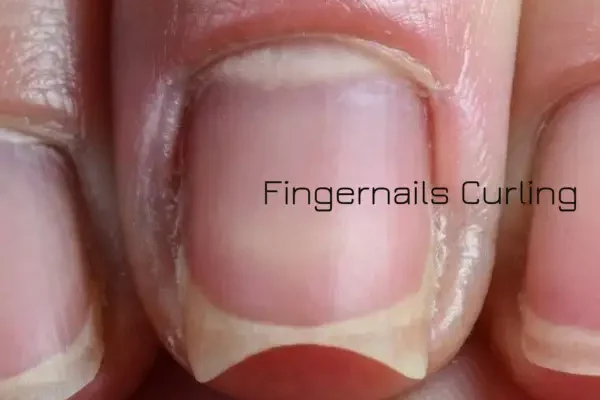
Fingernails curling is a change that often catches people off guard, because nails are usually something we don’t think about until they start to look or feel different. In simple terms, it happens when the nail plate curves more than normal as it grows, sometimes becoming brittle or uncomfortable. Noticing this shift early can help connect the symptom to what’s happening elsewhere in the body.
It’s natural to wonder, why are my fingernails curling when nothing else seems obviously wrong. This question comes up often, especially since the cause can range from everyday issues like repeated moisture exposure or minor trauma to broader factors such as aging or nutritional imbalances. Understanding these possibilities helps reduce anxiety and points toward practical next steps.
When asking what causes fingernails to curl, it helps to look at patterns rather than isolated changes. Ongoing pressure, chronic dryness, circulation issues, or underlying health conditions can all affect how nails grow over time. Taking a closer look at these causes makes it easier to decide what you can address at home and when it might be worth seeking professional advice.
Types
Clinicians describe several distinct patterns of nail curvature, each with different implications.
Health Support: This Vitamin K2 + D3 Complex is essential for bone density, cardiovascular health, and immune function. It’s a highly-rated formula for those looking to maintain optimal nutrient levels. You can find it on Amazon.
Upward curling (spooning or koilonychia). The nail plate thins and curves upward at the edges, sometimes holding a drop of water. This pattern is classically linked to iron deficiency but can also appear with chronic chemical exposure or frequent wet work.
Downward curling (hooked nails). The free edge curves toward the fingertip. Mild forms are common with aging, while pronounced downward curvature may suggest chronic lung or heart disease when associated with clubbing.
Inward curling (pincer nails). The nail plate pinches the nail bed from side to side, causing pain. This form is often related to genetics, footwear pressure (more common in toenails), or inflammatory skin disease.
Understanding the pattern matters because it narrows the diagnostic field considerably—much like reading tire wear patterns tells a mechanic what’s wrong with the suspension.
Health Support: This high-absorption Magnesium Glycinate (200 mg) is gentle on the stomach and supports muscle relaxation, better sleep, and metabolic health. You can find this trusted formula on Amazon.
Common Causes
The majority of curling nail cases in outpatient practice trace back to a small group of causes.
Nutritional deficiencies. Iron deficiency remains the best-known association, particularly for spoon-shaped nails. Low levels of biotin, zinc, or protein can also weaken the nail plate, making it more prone to distortion.
Chronic moisture imbalance. Repeated cycles of soaking and drying—common among healthcare workers, cleaners, and food-service staff—strip natural oils from the nail, increasing curvature and brittleness.
Aging and mechanical stress. With age, nail growth slows and the nail bed thins. Add years of microtrauma (keyboards, tools, sports), and curvature becomes more likely.
Dermatologic disease. Psoriasis, eczema, and fungal infections can all alter nail architecture, sometimes before obvious skin symptoms appear.
Systemic Conditions
When nail curling is pronounced, progressive, or accompanied by other symptoms, clinicians consider systemic disease.
Iron-deficiency anemia. Upward-curving nails may appear after months of depleted iron stores. In U.S. adults, common contributors include dietary insufficiency and chronic gastrointestinal blood loss. ⧉
Pulmonary and cardiovascular disease. Downward-curving nails with bulbous fingertips (clubbing) are associated with chronic hypoxia, seen in conditions such as interstitial lung disease or cyanotic heart disease. ⧉
Endocrine disorders. Thyroid dysfunction can affect nail growth speed and texture, indirectly promoting curvature. ⧉
Reyus Mammadli, medical consultant, notes that “nails are rarely the only clue, but they are often the earliest visible one—especially in iron deficiency and chronic hypoxia.”
Diagnosis
Diagnosis begins with a focused clinical exam, followed by targeted testing when indicated. To improve readability across devices and avoid overcrowded layouts, the diagnostic table below summarizes methods, accuracy, and cost, while detailed explanations of how each test is performed are provided immediately after the table.
| Method | Accuracy (1–10) | Typical U.S. Cost |
|---|---|---|
| Physical exam | 6 | $0–$150 (office visit) |
| Blood tests | 8 | $50–$300 |
| Fungal testing | 7 | $75–$200 |
| Imaging (rare) | 9 | $300–$1,200 |
Physical Exam
The diagnostic process almost always starts with a hands-on clinical evaluation. The clinician inspects fingernails from multiple angles, paying particular attention to curvature, thickness, surface texture, and how firmly the nail plate adheres to the nail bed. Lighting matters here—side lighting often reveals subtle curvature changes that are easy to miss head-on.
Preparation is minimal. Patients are typically advised to remove nail polish and artificial nails at least 24 hours before the visit so the natural nail plate can be fully assessed. During the exam, the clinician also looks for accompanying signs such as skin rashes, fingertip clubbing, or color changes, which may suggest systemic involvement rather than a purely local nail issue.
Blood Tests
Blood testing is used when nail curvature raises suspicion of an internal cause. The most common first-line tests include a complete blood count (CBC), serum ferritin, and iron studies. If symptoms such as weight change, heat or cold intolerance, or hair thinning are present, thyroid function tests may also be ordered. ⧉
Preparation usually involves no more than a standard blood draw, although some laboratories request fasting for 8–12 hours depending on the panel. Results help determine whether iron deficiency, anemia, or endocrine imbalance is contributing to altered nail growth. When deficiencies are corrected, nail changes often improve gradually over several months rather than weeks.
Fungal Testing
When nails show thickening, discoloration, or crumbly edges in addition to curling, fungal infection becomes a consideration. In this case, a small clipping of the affected nail is collected and sent for microscopy or culture.
No special preparation is required, but patients are typically advised to avoid antifungal creams or lacquers for at least one to two weeks beforehand, as these can reduce test sensitivity. Confirming fungal involvement is important, because antifungal medications are most effective when targeted and unnecessary treatment is avoided.
Imaging (When Indicated)
Imaging is not routine for curling fingernails but may be recommended when downward-curving nails are accompanied by fingertip clubbing or respiratory symptoms. Chest imaging can help identify chronic lung or cardiovascular conditions associated with long-term low oxygen levels.
Preparation depends on the modality used but is generally minimal. Imaging is reserved for cases where nail changes appear to be part of a broader systemic picture rather than an isolated finding.
The overarching goal of diagnosis is not exhaustive testing, but strategic evaluation—matching the nail pattern with the most likely underlying cause while avoiding unnecessary procedures.
Treatment
Treatment targets the cause rather than the nail itself.
Nutritional Correction
For iron deficiency, oral iron supplementation (typically 45–65 mg elemental iron daily) is commonly used, with visible nail improvement over 3–6 months. Biotin supplementation (2.5 mg/day) may help brittle nails, though evidence remains limited. ⧉
Dermatologic Therapy
If psoriasis or eczema is involved, topical corticosteroids or vitamin D analogs may stabilize nail growth. Fungal infections require antifungal therapy, often terbinafine or itraconazole in confirmed cases. ⧉
Mechanical and Lifestyle Measures
Reducing repetitive trauma, keeping nails moderately short, and using emollients after handwashing can significantly reduce progression. Protective gloves for wet work are a simple but underused intervention.
Reyus Mammadli, medical consultant, emphasizes that “patients often want a cosmetic fix, but sustained improvement only happens when the underlying trigger is addressed.”
U.S. Clinical Cases
Case 1: Middle-Aged Woman, Illinois
“I first noticed something was off during an ordinary workday,” recalls a 42-year-old woman from Illinois. “I work in an office, I type all day, and one afternoon I caught the light hitting my nails from the side. They looked… hollowed out. Almost scooped.” At first, she assumed it was damage from frequent handwashing and sanitizers. Over the next few months, however, the changes became harder to ignore. Her nails felt thinner, bent easily, and had a pale, washed-out look.
Fatigue soon followed. “I wasn’t collapsing or anything dramatic, just constantly tired. I blamed stress, sleep, getting older.” It was only during a routine primary care visit that she mentioned both symptoms together. Blood tests revealed low ferritin levels consistent with iron deficiency.
After starting iron supplementation and adjusting her diet, she noticed gradual improvement. “Nothing happened overnight. But after three months, the new nail growth looked flatter and stronger.” Six months later, the curvature had largely resolved. She describes the process as slow but reassuring: “What bothered me most was not knowing. Once I understood the cause, the rest felt manageable.”
Case 2: Older Man, Arizona
A 68-year-old retired man from Arizona describes his experience more bluntly. “I didn’t think much of my nails. At my age, things bend, sag, and creak.” Over time, however, he noticed the tips of his fingers becoming rounder, with nails curving downward more sharply than before. “My wife noticed before I did. She said my fingers looked swollen.”
At the same time, he found himself getting winded during short walks. He attributed it to desert heat and aging. During a medical visit prompted by shortness of breath, the clinician examined his hands and noted digital clubbing. Further evaluation revealed chronic lung disease.
“Looking back, the nails were probably the first sign,” he reflects. “I wish I’d paid attention earlier.” While the nail changes did not reverse completely, treatment of the underlying lung condition stabilized progression. He expresses satisfaction that a subtle physical change led to a diagnosis that might otherwise have been delayed.
Case 3: Young Adult Man, New York
A 29-year-old man from New York noticed his nail changes in a very different context. “I’m pretty detail-oriented. I noticed my thumbnails pinching inward at the sides, almost squeezing the skin.” The discomfort made typing and gym activities unpleasant. Unlike the other cases, he had no fatigue, breathing issues, or systemic symptoms.
After trying over-the-counter nail hardeners without success, he consulted a dermatologist. Examination revealed early pincer nail deformity without signs of systemic disease. “Honestly, I was relieved. I went in worried it was something serious.”
Management focused on mechanical factors: adjusting nail trimming habits, reducing pressure, and using targeted emollients. Over time, discomfort improved even though the nail shape did not completely normalize. “What I learned is that not every weird nail thing means a big diagnosis—but it does mean you should get it checked.”
Prevention
While not all causes are preventable, risk can be reduced by:
- Maintaining adequate iron and protein intake
- Minimizing prolonged wet work without protection
- Treating skin and nail infections early
- Seeking evaluation for persistent or progressive nail changes
Editorial Advice
Curling fingernails should never be dismissed outright as “just cosmetic,” especially when the change is new or worsening. From an editorial standpoint, the most responsible approach is balanced: avoid alarmism, but also avoid ignoring a potential systemic signal. Reyus Mammadli, medical consultant, recommends medical evaluation when nail curvature is accompanied by fatigue, shortness of breath, skin disease, or unexplained weight changes. Early assessment is usually inexpensive and may uncover treatable conditions long before more serious symptoms develop.