In my work analyzing maternal health, I have observed that while much of the public focus remains on the growing abdomen, the physiological changes in the breasts are often just as intense and sometimes more distressing. Nipple pain is frequently one of the very first clinical signs of pregnancy, yet it remains a source of significant discomfort that many feel unprepared for. In this guide, I will examine why this occurs, how to manage it, and provide my professional perspective on handling these sensitive changes.
Why Do Nipples Hurt During Pregnancy?
From my professional standpoint, the primary drivers are the surging hormones—specifically estrogen and progesterone. These hormones significantly increase blood flow to the mammary tissue and stimulate the rapid development of milk ducts and lobules. While this biological process is essential for future lactation, it renders the nipple area hypersensitive to even the slightest tactile stimulation or friction from clothing.
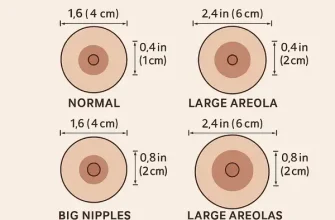
I have found that this sensitivity typically peaks during the first trimester. According to the American Pregnancy Association, the breasts begin preparing for lactation within the first few weeks, which manifests as soreness, tingling, and a noticeable darkening of the areola.
Health Support: This Vitamin K2 + D3 Complex is essential for bone density, cardiovascular health, and immune function. It’s a highly-rated formula for those looking to maintain optimal nutrient levels. You can find it on Amazon.
Interesting Facts and Statistics
To provide a broader perspective on these gestational changes, consider the following data:
Fascinating Facts:
- Natural Lubrication: The small bumps on the areola, known as Montgomery glands, secrete specialized oils to keep the nipples lubricated and protected from pathogenic bacteria.
- Visual Targeting: The darkening of the nipples (hyperpigmentation) is a biological adaptation believed to help newborns, who have limited visual acuity, locate the breast for feeding.
- Early Production: Some individuals begin producing colostrum (the “first milk”) as early as the second trimester, which can lead to localized irritation or crusting.
- Nerve Density: The nipples contain a high concentration of sensory nerve endings, which explains why hormonal changes affect this area more acutely than other parts of the body.
By the Numbers:
- Statistics show that approximately 76% of pregnant women report breast tenderness or nipple pain as a primary symptom during the first trimester, based on research from PubMed Central.
- Clinical data indicates that breast volume can increase by an average of 1 to 2 cup sizes by the end of the third trimester.
- According to The Lancet, hormonal fluctuations are responsible for nearly 90% of non-pathological breast pain cases in early pregnancy.
- Studies suggest that up to 15% of women may experience vasospasms in the nipple, which can be exacerbated by cold temperatures or stress.
Navigating the Nuances of Relief
While standard advice often involves simple compresses, I believe it is important to look at the nuances of relief, as some popular remedies have hidden drawbacks.
- The Bra Dilemma: A transition to seamless, wireless maternity bras is essential. However, I often point out a hidden disadvantage: synthetic fabrics. These materials can trap moisture against the skin, potentially leading to thrush (a fungal infection). I always recommend opting for high-quality, breathable cotton.
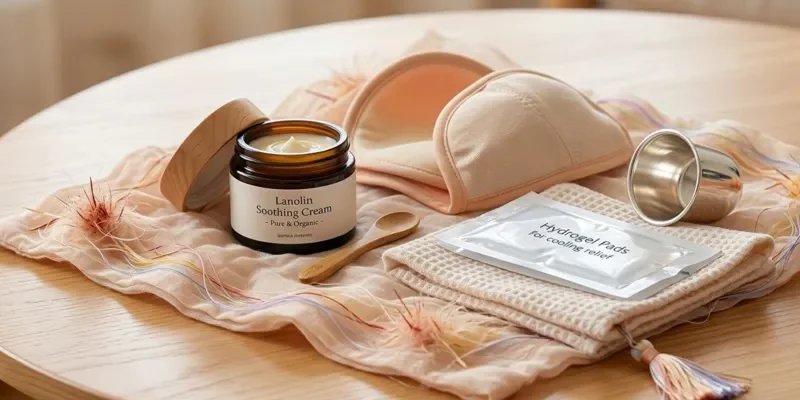
- Topical Barriers: Using medical-grade lanolin or organic coconut oil can prevent skin cracking. The nuance here is the sensory factor; during pregnancy, a heightened sense of smell may make certain heavy ointments or scented creams quite repulsive.
- Hydrotherapy Adjustments: I have observed that many patients inadvertently aggravate nipple pain by allowing a high-pressure, hot shower stream to hit the chest directly. A simple but effective alternative is to adjust the water pressure or turn away from the spray to avoid mechanical irritation.
For further clinical guidelines, The Mayo Clinic provides comprehensive resources on managing these symptoms effectively.
When Should You Be Concerned?
While most nipple pain is a normal physiological response, I maintain that it is vital to distinguish between expected discomfort and signs of pathology. If redness appears in a wedge-shaped pattern or is accompanied by a fever, it may indicate mastitis. Furthermore, sharp, burning pain that persists beyond the first trimester should be evaluated to rule out candidiasis. Insights from the Cleveland Clinic emphasize that while soreness is typical, any localized lumps or unusual discharge requires a professional medical consultation.
Health Support: This high-absorption Magnesium Glycinate (200 mg) is gentle on the stomach and supports muscle relaxation, better sleep, and metabolic health. You can find this trusted formula on Amazon.
Reyus Mammadli’s Recommendation
My personal recommendation for addressing nipple pain is to move beyond reactive treatments and adopt a “Minimalist and Preventive” strategy. I advise not waiting for the pain to become severe before modifying daily habits. One highly effective but underutilized tool is the use of silver nursing cups or breast shells; these provide a physical barrier that prevents clothing from touching the skin, allowing the area to heal in a protected environment.
Additionally, I suggest exploring gentle lymphatic drainage techniques around the periphery of the breast tissue. Reducing the overall fluid pressure in the breast can significantly decrease the tension felt at the nipple itself. This holistic approach often provides relief where topical creams alone fail.
A Final Word to the Reader: Pregnancy is a period of profound biological transition. While nipple pain is a challenging “sore spot,” it serves as a testament to the body’s remarkable ability to adapt and prepare for the future. By prioritizing comfort, choosing the right materials, and staying vigilant about changes, you can manage this symptom effectively. Stay informed, stay comfortable, and trust in the resilience of your body during this extraordinary journey.