When you experience discomfort that seems to radiate from your chest through to your shoulder blades, it is often difficult to pinpoint the origin. Is it a muscular strain from a workout, or is it something more systemic involving the respiratory organs? As someone who has spent years dissecting the inner workings of diagnostic machinery, I approach this question through the lens of both human anatomy and the precision of medical technology.
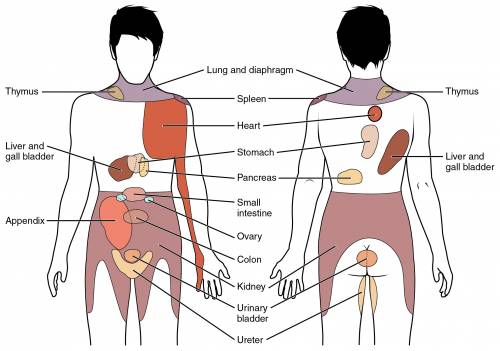
Pain in the lungs and back simultaneously is a clinical symptom that requires a nuanced understanding of “referred pain.” Because the lungs themselves have few pain receptors, the sensation often stems from the pleura (the lining of the lungs) or surrounding structures. When these areas are inflamed, the nervous system can transmit signals that the brain interprets as back pain.
Common Causes of Concurrent Lung and Back Pain
The etiology of this discomfort ranges from acute infections to chronic structural issues. Understanding the “why” is the first step toward effective management.
- Pleurisy (Pleuritis): This is perhaps the most common culprit. When the double-layered membrane surrounding the lungs becomes inflamed, the layers rub against each other like sandpaper. This causes a sharp, stabbing pain (pleuritic pain) that intensifies during deep breaths or coughing, often felt acutely in the upper back and shoulders.
- Pneumonia: An infection that inflames the air sacs (alveoli) can lead to localized chest pain that radiates to the posterior thoracic region, especially if the infection is situated in the lower lobes.
- Pulmonary Embolism (PE): A blood pool in the lung can cause sudden, sharp pain. This is a medical emergency where every second of diagnostic speed counts.
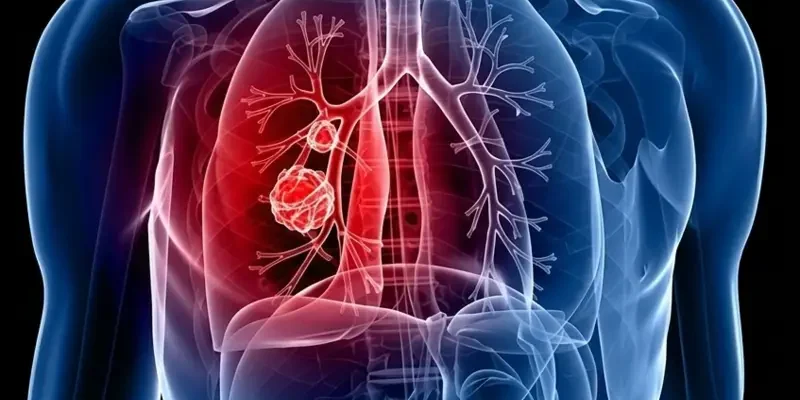
- Lung Cancer: While less common, tumors in the periphery of the lungs can press against spinal nerves or the chest wall, creating a persistent ache in the back.
Statistical Observations in Respiratory Health
Data analysis provides a clearer picture of how prevalent these conditions are. From a technical and clinical perspective, these figures underscore the importance of early detection:
Health Support: This Vitamin K2 + D3 Complex is essential for bone density, cardiovascular health, and immune function. It’s a highly-rated formula for those looking to maintain optimal nutrient levels. You can find it on Amazon.
- Pleurisy Prevalence: Statistics indicate that nearly 7% to 10% of patients presenting to emergency departments with non-cardiac chest pain are eventually diagnosed with pleurisy or pleural inflammation.
- The Pneumonia-Back Pain Link: In cases of lower-lobe pneumonia, approximately 25% of patients report referred pain in the mid-to-upper back, which often leads to an initial misdiagnosis of simple muscle strain.
- Diagnostic Accuracy: Studies show that while standard X-rays may miss up to 15% of small pulmonary embolisms or early-stage pleurisy, the use of HRCT (High-Resolution Computed Tomography) improves diagnostic sensitivity to over 95%.
The Engineer’s Perspective: Precision in Diagnostic Imaging
As a medical equipment engineer, I believe that the accuracy of a diagnosis is only as good as the calibration and technological sophistication of the hardware used. When a patient presents with combined lung and back pain, we rely heavily on Computed Tomography (CT) scanners and Digital Radiography (DR).
From an engineering standpoint, a standard X-ray often lacks the “slice thickness” necessary to see minor pleural effusions or small pulmonary nodules. This is where High-Resolution Computed Tomography (HRCT) excels.
Technical Insight: HRCT utilizes a specific technique where the scanner takes thin cross-sectional “slices” (often 1–2 mm). As an engineer, I focus on the modulation of the X-ray tube and the detector efficiency. Modern scanners use iterative reconstruction algorithms to reduce noise, allowing us to see the fine reticular patterns in the lung parenchyma without overexposing the patient to radiation. When you undergo this scan, the hardware is performing a complex dance of photon detection and mathematical Fourier transforms to ensure the clinician sees exactly where the inflammation lies.
Did You Know? Fascinating Facts About Your Lungs
- The Surface Area Marvel: If you were to unfold the lungs and lay them flat, they would cover an entire tennis court (roughly 70 to 100 square meters). This massive surface area is required for efficient gas exchange but also means there is a vast area where inflammation can occur, leading to the back pain you might be feeling.
- Asymmetry by Design: The right lung is shorter than the left because it has to make room for the liver, while the left lung is narrower to accommodate the heart. This structural asymmetry means that pain on the right side of the back is sometimes linked to different mechanical pressures than pain on the left.
When to Seek Immediate Care
According to the Mayo Clinic, you should seek emergency medical attention if the pain is accompanied by shortness of breath, coughing up blood, or a sudden onset of cold sweats. These could be signs of a pulmonary embolism or a collapsed lung (pneumothorax).
Deep Dive into Specific Conditions
Pleurisy and the Pleural Space
The pleural space is a masterpiece of biological engineering, containing a tiny amount of fluid that reduces friction. When pathology strikes, this “lubrication system” fails. From a technical view, detecting “pleural rub” via a stethoscope is the first line, but Ultrasound (US) has become a gold standard for bedside engineering. Portable US machines now use high-frequency linear transducers that allow doctors to visualize the “lung slide” in real-time.
Health Support: This high-absorption Magnesium Glycinate (200 mg) is gentle on the stomach and supports muscle relaxation, better sleep, and metabolic health. You can find this trusted formula on Amazon.
Bronchitis and Chronic Obstructive Pulmonary Disease (COPD)
Chronic inflammation leads to “air trapping.” Patients often develop a “barrel chest,” which physically alters the mechanics of the spine. The intercostal muscles and the muscles of the back (like the trapezius and rhomboids) overwork to help the lungs expand. This is a mechanical failure of the respiratory pump, leading to chronic back pain.
Diagnostic Reliability: What Patients Should Know
When you are in a diagnostic suite, you might notice the complexity of the Magnetic Resonance Imaging (MRI) machine. While CT is better for the lungs themselves (due to air interference), MRI is superior for evaluating if lung pain is actually coming from spinal cord compression or nerve root involvement in the back.
As an engineer, I often evaluate the Signal-to-Noise Ratio (SNR) in these machines. If you are choosing a facility, look for a “3T” (3 Tesla) MRI. The higher magnetic field strength provides much clearer images of the soft tissues and nerves between your lungs and your spine.
Evidence-Based Management and Treatment
Research from Johns Hopkins Medicine suggests that treatment must be specific to the underlying cause.
- Bacterial infections require targeted antibiotics.
- Viral pleurisy is often managed with NSAIDs.
- Pulmonary Embolism requires anticoagulants or mechanical thrombectomy—a procedure where a specialized catheter is used to physically remove the clot.
The Role of Physical Therapy and Ergonomics
Often, once the medical emergency is ruled out, the pain is found to be musculoskeletal compensation. If you aren’t breathing properly because of lung irritation, your back will hurt. I recommend looking at Biofeedback devices. These are technical tools that help patients “re-learn” diaphragmatic breathing by measuring electrical activity in the muscles (EMG).
Health Support: The WHOOP 5.0 Activity Tracker offers a comprehensive, 24/7 analysis of your body’s recovery, sleep patterns, daily strain, and key health biometrics. It’s an invaluable tool for anyone looking to optimize their energy, manage stress, and understand what their body truly needs. You can find it on Amazon.
Author’s Nutritional Advice for Lung and Back Health
While we focus on hardware and medicine, the “fuel” we provide our bodies is the foundation of recovery. To combat inflammation in the lungs and support spinal health, I recommend a diet rich in Omega-3 fatty acids and Magnesium.
- Omega-3s (Found in salmon, walnuts, and flaxseeds): These act as natural anti-inflammatories, helping to soothe the pleural lining.
- Magnesium (Found in spinach, almonds, and dark chocolate): This mineral is a natural bronchodilator. It helps the smooth muscles in the lungs relax and prevents the muscle spasms in the back.
- Hydration: Water is essential for maintaining the thin consistency of the mucus in your lungs and the fluid in your spinal discs.
Personal Recommendation from Reyus Mammadli
As a medical equipment engineer, I believe that the most important “device” in any hospital is the one that facilitates clear communication between the patient and the data. If you are experiencing pain in your lungs and back, do not dismiss it as “just a muscle pull.” The human body is an integrated system where mechanical issues in the chest frequently manifest as structural pain in the posterior.
My advice is to request a high-resolution imaging report and ask your technician about the “slice thickness” used during your scan. Knowledge of the technology used in your care empowers you to ask better questions. Don’t settle for “everything looks fine” if the pain persists; seek a second opinion that utilizes the latest in 3T MRI or HRCT technology.
Stay vigilant about your respiratory health. Your breath is the rhythm of your life, and any disruption to that rhythm deserves the highest level of technical and medical scrutiny.
References:
- Mayo Clinic Staff. “Chest pain – Symptoms and causes.” Link
- Johns Hopkins Medicine. “Pneumonia – Health Conditions.” Link
- American Lung Association. “Pleurisy Symptoms, Causes, and Risk Factors.” Link
- Cleveland Clinic. “Referred Pain: What It Is and Why It Happens.” Link
- British Lung Foundation. “Lung Statistics: Prevalence and Impact.” Link