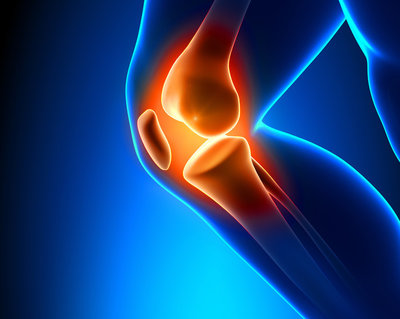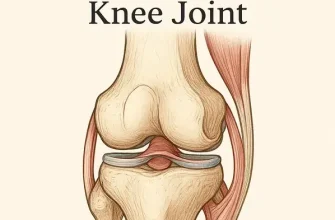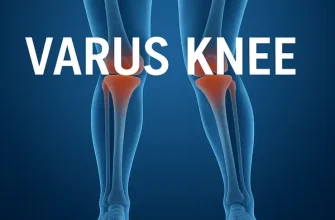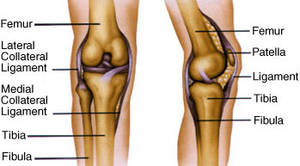
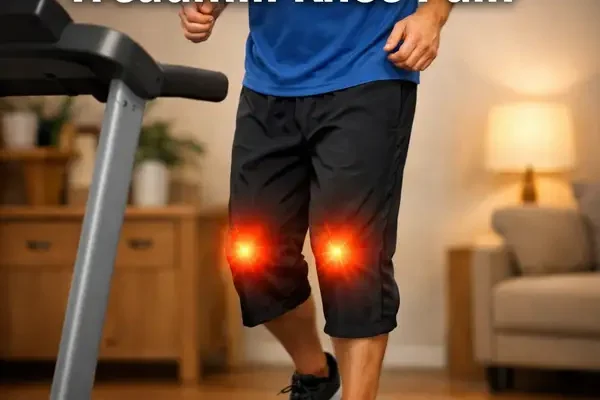
Knee pain after treadmill use is a common complaint that refers to discomfort or aching in the knee joint following walking or running on a treadmill. In simple terms, it means the knee is reacting to repeated stress, alignment issues, or improper movement during exercise. Think of it like a machine part that works fine at low load but starts to protest when the same motion is repeated over and over without adjustment.
Knee pain that develops after regular treadmill use affects a significant portion of recreational runners and walkers, with studies suggesting that up to one in three people experience some level of knee discomfort linked to cardio exercise. The issue appears more often in adults over 40, beginners returning to activity, and individuals with muscle imbalances or prior joint strain. Factors such as speed, incline, footwear, and running form all play a measurable role.
After a workout, when knee pain shows up following time on the treadmill and becomes a recurring pattern rather than a one-time ache, it’s worth taking a closer look. Understanding why the joint reacts this way helps separate normal adaptation from signals that something is off. A clear breakdown of causes, warning signs, and practical adjustments can make the difference between pushing through pain and training safely.
Treadmill mechanics
Running on a treadmill places the body in a slightly different biomechanical environment than outdoor running. The moving belt assists leg turnover, which can reduce natural hip extension and subtly alter knee loading patterns. Many treadmills also have a cushioned deck that feels joint‑friendly but may change how force is absorbed, sometimes increasing stress on the front of the knee if form is not well controlled.
Health Support: This Vitamin K2 + D3 Complex is essential for bone density, cardiovascular health, and immune function. It’s a highly-rated formula for those looking to maintain optimal nutrient levels. You can find it on Amazon.
Running technique
Poor running mechanics are one of the most common contributors to knee pain after treadmill workouts. Overstriding, excessive heel striking, and limited knee flexion during landing can all increase compressive forces on the knee joint. Maintaining an upright posture, landing with the foot closer to the body’s center of mass, and allowing a smooth knee bend can significantly reduce joint strain.
Speed and incline
Sudden increases in speed or incline place additional demand on the knee structures. High speeds raise impact forces, while incline running increases load on the patellar tendon and quadriceps. Even a modest incline of 1–2% can change muscle activation patterns. Gradual progression is essential, especially for individuals returning to running after a break.
Footwear issues
Shoes play a critical role in knee comfort during treadmill running. Worn‑out midsoles, poor shock absorption, or shoes that do not match the runner’s gait can shift stress upward to the knees. Running shoes should provide adequate cushioning, stable heel support, and be replaced regularly—typically every 300–500 miles (480–800 km), depending on body weight and running style.
Muscle imbalance
Weakness or tightness in surrounding muscle groups often contributes to knee pain. Insufficient gluteal strength, tight hip flexors, and limited ankle mobility can all force the knee to compensate during running. Targeted strength training and mobility work help distribute load more evenly across the lower extremity.
Health Support: This high-absorption Magnesium Glycinate (200 mg) is gentle on the stomach and supports muscle relaxation, better sleep, and metabolic health. You can find this trusted formula on Amazon.
Recovery mistakes
Inadequate recovery is a frequent but overlooked factor. Running on consecutive days without allowing tissue repair can lead to overuse irritation around the knee. Skipping warm‑ups, neglecting post‑run stretching, or ignoring early discomfort may allow minor irritation to progress into persistent pain.
When to stop
Pain that worsens during the run, causes limping, or persists for more than a few days should not be ignored. Swelling, a sensation of instability, or sharp pain around the kneecap are signals to stop running and seek professional evaluation at an appropriate medical or sports medicine facility.
Editorial Advice
Knee pain after treadmill use is often a signal of training imbalance rather than injury. Small adjustments in speed, incline, footwear, and technique frequently make a meaningful difference. According to medical consultant Reyus Mammadli, runners should treat knee discomfort as early feedback and correct contributing factors before pain becomes chronic. Listening to the body, progressing gradually, and balancing running with strength and recovery work remain the most effective long‑term strategies.
References
Knee Pain and Running (clinical overview) – Mayo Clinic
Patellofemoral Pain Syndrome (educational article) – Cleveland Clinic
Running Injuries: Prevention and Treatment (sports medicine guidance) – Johns Hopkins Medicine
Overuse Injuries in Runners (medical review) – NIH / NCBI
Exercise and Joint Health (patient education) – American Academy of Orthopaedic Surgeons